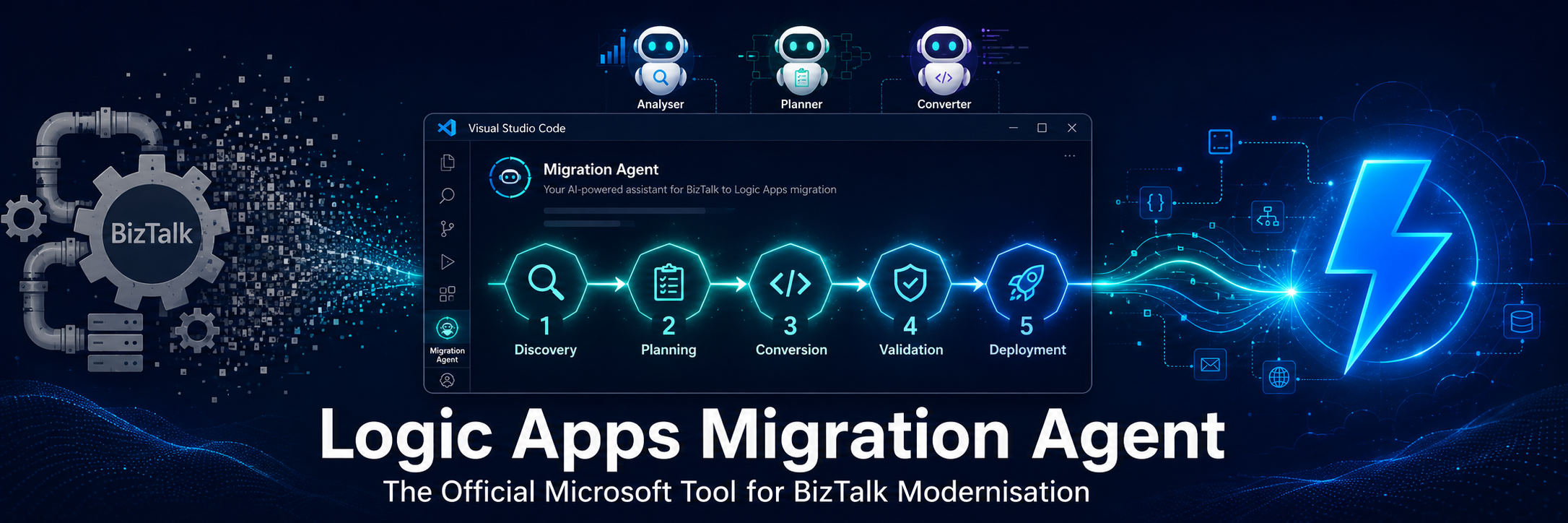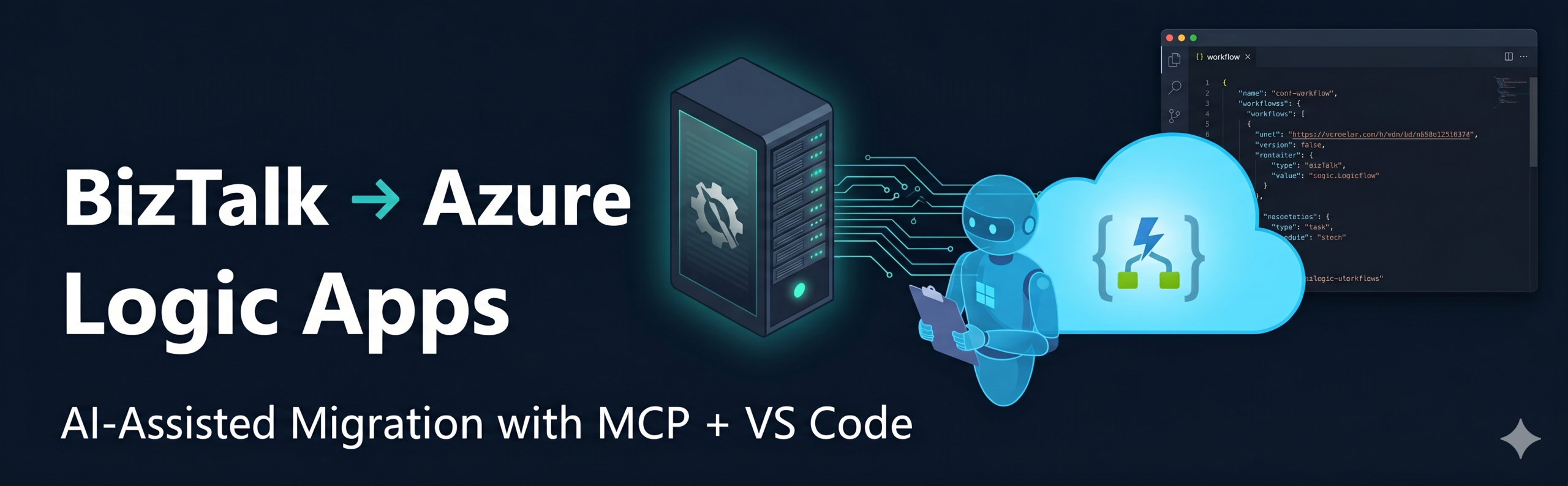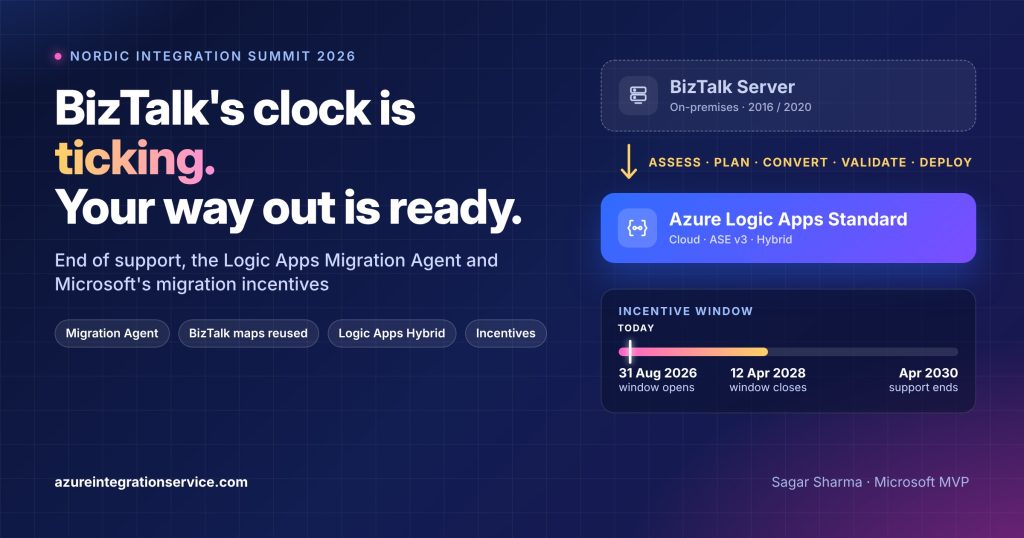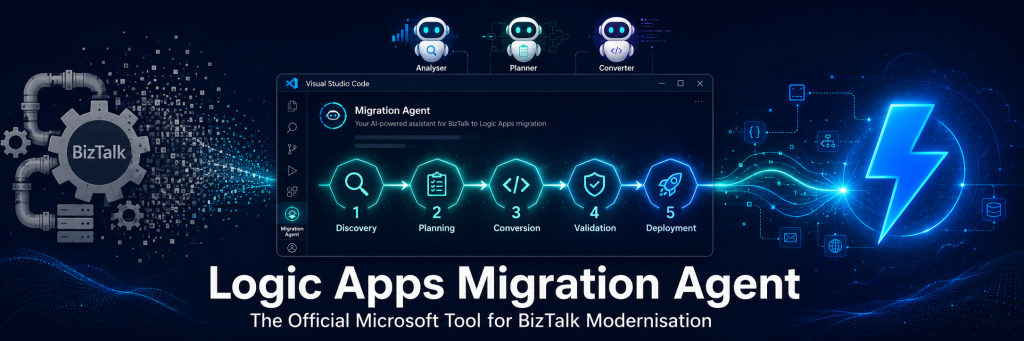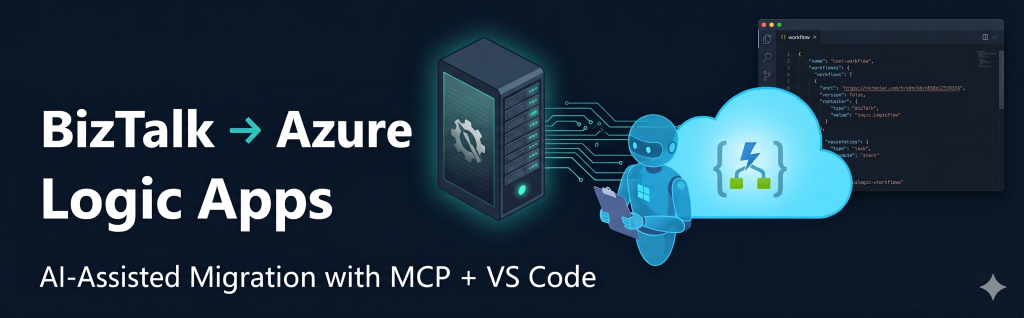









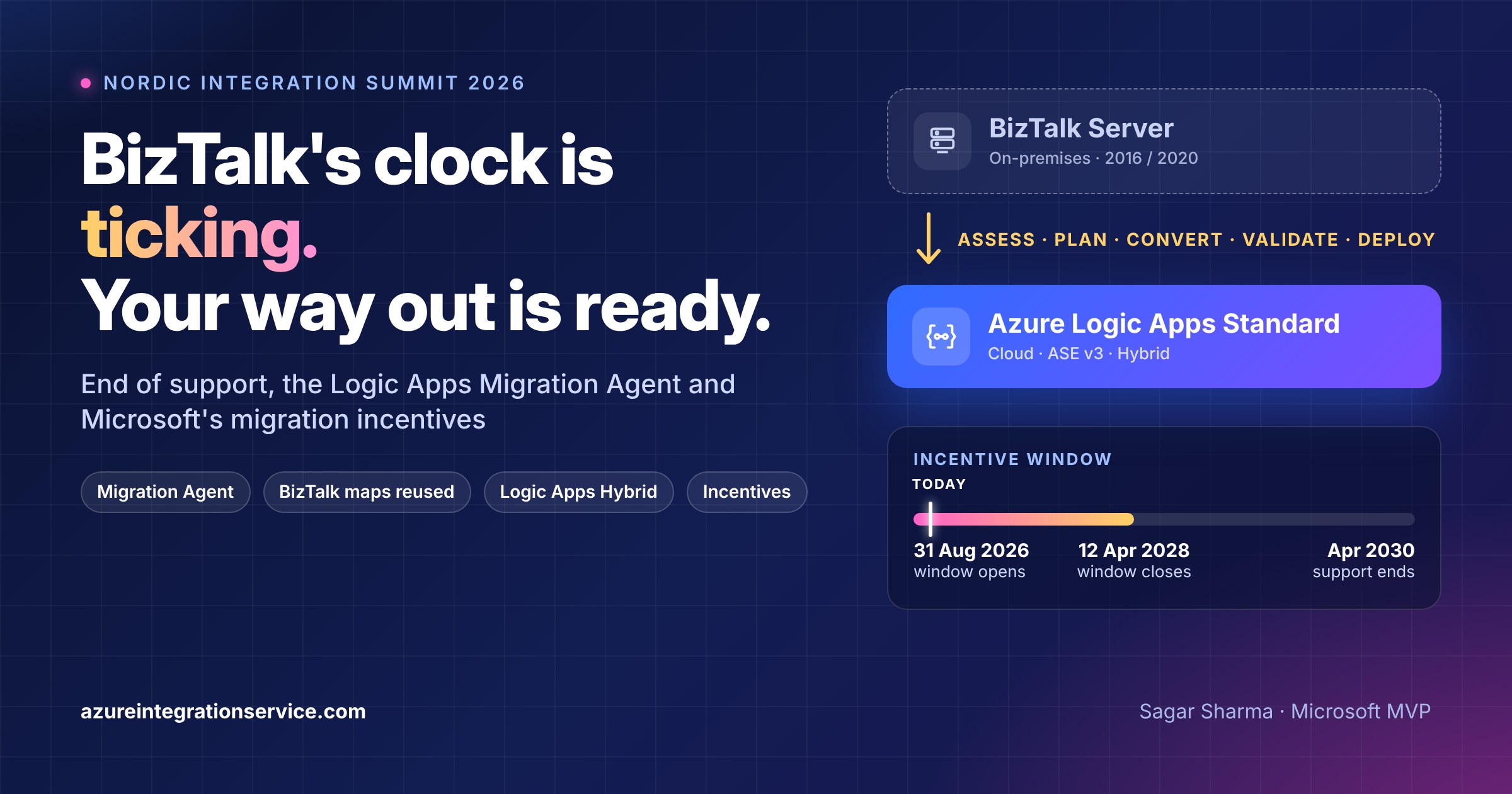
B izTalk Server has been the backbone of enterprise integration for over 25 years — but its end-of-life clock is ticking. With Microsoft now officially pointing customers toward Azure Logic…
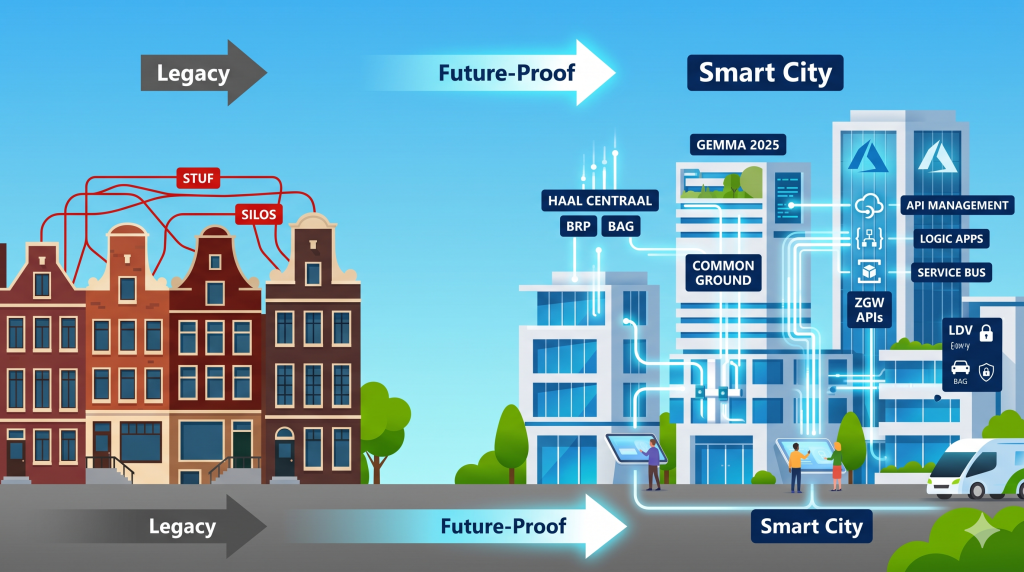
How the GEMMA/NORA reference architecture, Common Ground, and national base registries shape every integration design for Dutch gemeenten — and how Azure Integration Services maps precisely onto this landscape, with four hands-on scenarios and architecture diagrams.
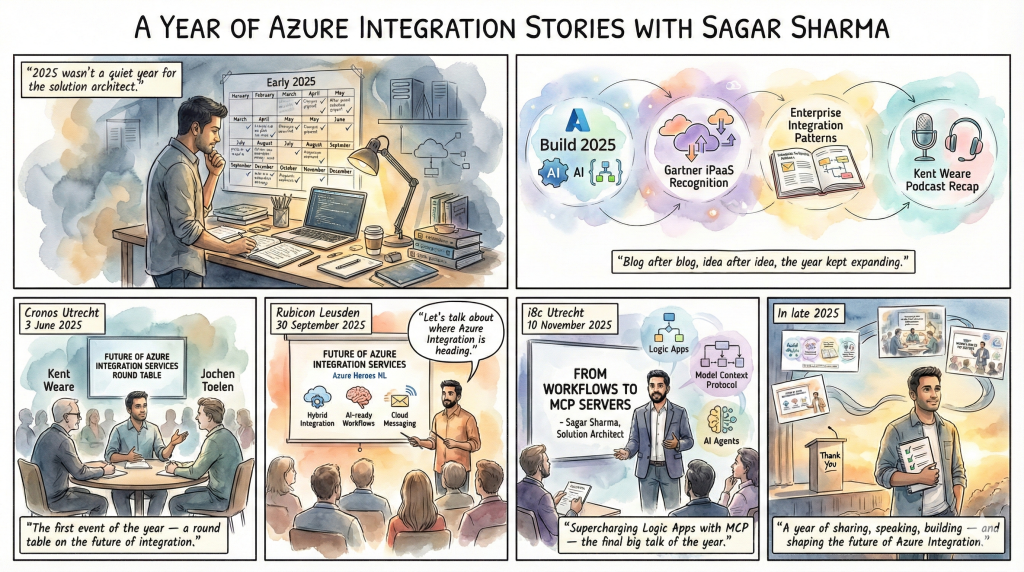
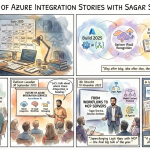
2025 was one of those years where everything connected. What started as curiosity around AI, integration patterns, and platform thinking turned into a year of writing, speaking, learning, and giving…
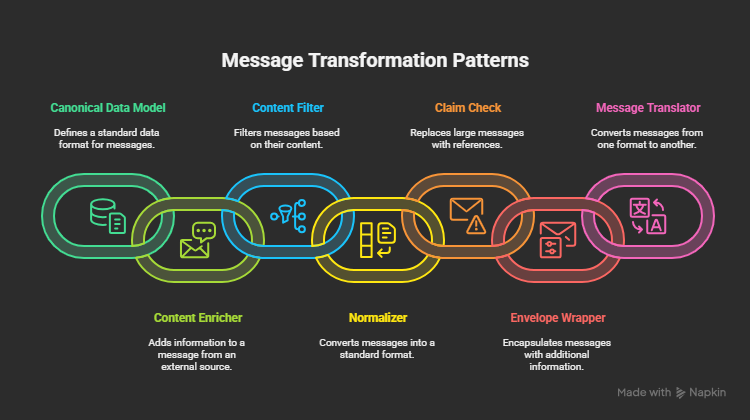
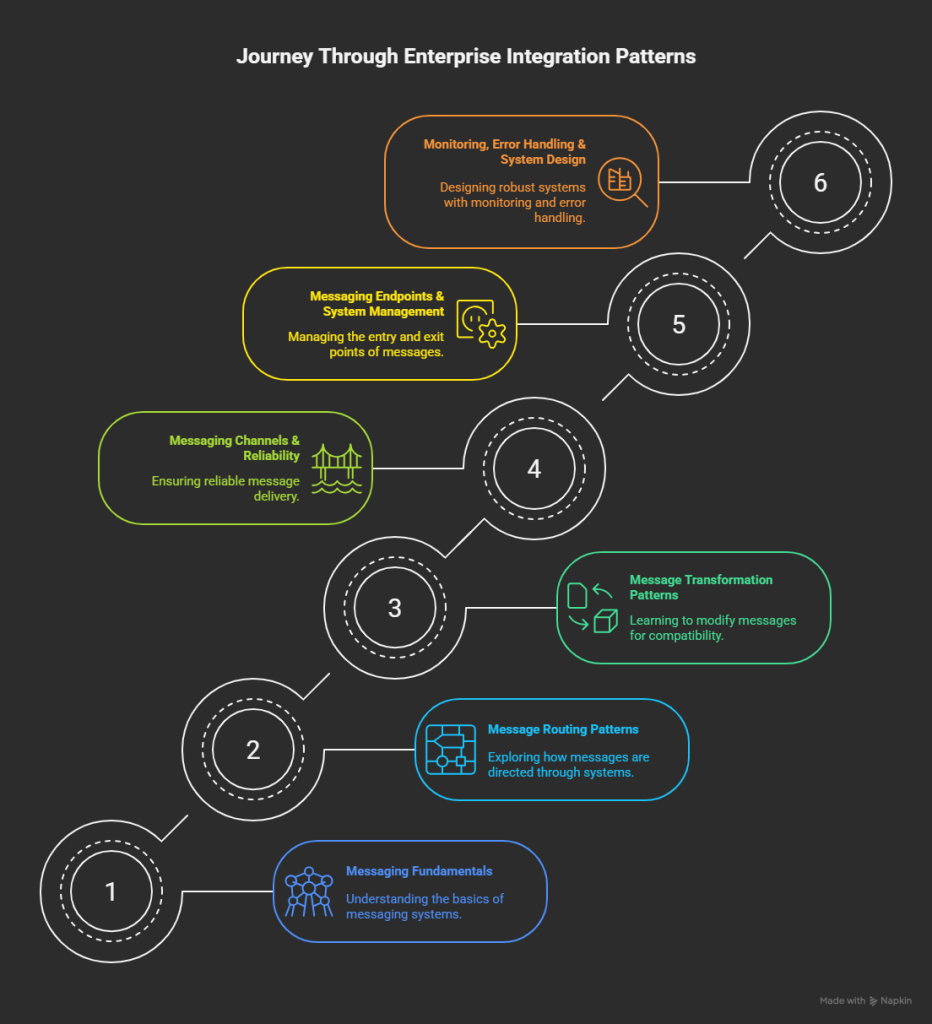
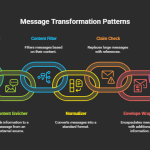
In this third post of our blog series on Enterprise Integration Patterns (EIPs) implemented with Azure Integration Services, we explore Transformation Patterns — designs that enable different systems to exchange and understand data by reshaping message content.
In today’s hyper-connected world, integration is the backbone of digital transformation. Whether it’s linking CRM with ERP, connecting e-commerce platforms to warehouse systems, or enabling real-time event-driven workflows, the ability to connect systems reliably and intelligently is no longer optional — it's strategic.
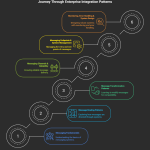
But integration is not just about connecting endpoints — it's about doing it right. This is where Enterprise Integration Patterns (EIPs) come in.
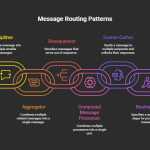
In this second post of our blog series on Enterprise Integration Patterns (EIPs) implemented using Azure Integration Services, we explore Routing Patterns — designs that determine where, how, and to whom a message should be sent.
B izTalk Server has been the backbone of enterprise integration for over 25 years — but its end-of-life clock is ticking. With Microsoft now officially pointing customers toward Azure Logic…
How the GEMMA/NORA reference architecture, Common Ground, and national base registries shape every integration design for Dutch gemeenten — and how Azure Integration Services maps precisely onto this landscape, with four hands-on scenarios and architecture diagrams.
2025 was one of those years where everything connected. What started as curiosity around AI, integration patterns, and platform thinking turned into a year of writing, speaking, learning, and giving…
In this third post of our blog series on Enterprise Integration Patterns (EIPs) implemented with Azure Integration Services, we explore Transformation Patterns — designs that enable different systems to exchange and understand data by reshaping message content.
In today’s hyper-connected world, integration is the backbone of digital transformation. Whether it’s linking CRM with ERP, connecting e-commerce platforms to warehouse systems, or enabling real-time event-driven workflows, the ability to connect systems reliably and intelligently is no longer optional — it's strategic.
But integration is not just about connecting endpoints — it's about doing it right. This is where Enterprise Integration Patterns (EIPs) come in.
In this second post of our blog series on Enterprise Integration Patterns (EIPs) implemented using Azure Integration Services, we explore Routing Patterns — designs that determine where, how, and to whom a message should be sent.
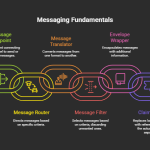
In this first post of our blog series on Enterprise Integration Patterns (EIPs) with Azure Integration Services, we’ll explore foundational messaging patterns. These patterns form the backbone of any enterprise integration architecture by defining how information is packaged, transported, accessed, and filtered between decoupled systems.
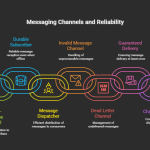
In Part 4 of our Enterprise Integration Patterns with Azure series, we explore messaging channels and reliability patterns — essential for building scalable, fault-tolerant, and decoupled systems.
These patterns define how messages are delivered, what happens when they fail, and how systems remain resilient in the face of retries, exceptions, and disconnections.
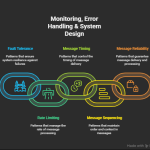
In this final post of the series, we focus on patterns that make enterprise integrations resilient, fault-tolerant, and observable. These help you design robust systems that handle exceptions gracefully and can recover or retry failed transactions with full traceability.
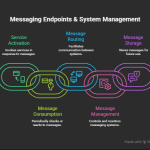
In this fifth part of the Enterprise Integration Patterns series, we’ll explore how applications connect to messaging infrastructure, how to manage those connections, and how to tap into the message flow for diagnostics and monitoring. These patterns play a crucial role in building robust, observable, and manageable integration architectures.